
Explanation of Product Design Drawings
Core Positioning and Preconditions for Explaining Product Design Drawings:
The core value of product design drawings is to "convey accurate information", avoid production deviations, and clarify design standards.
Therefore, the preconditions for explanation are: the explainer must be proficient in drawing standards (such as GB/T mechanical drawing standards, industry-specific specifications), product design logic, core functional requirements, and production process constraints. At the same time, the depth of explanation should be adjusted according to the audience's cognitive level—focusing on process details and dimensional tolerances for production personnel; focusing on functional matching and appearance presentation for customers; and focusing on design rationality and optimization space for reviewers.Two core points must be clarified before explanation: first, the type of drawing (assembly drawing, part drawing, schematic diagram, effect drawing, etc.), as different types of drawings have different explanation focuses; second, the core goal of the explanation (enabling the audience to understand the structure, clarify production requirements, approve the design plan, etc.) to avoid deviating from the focus.
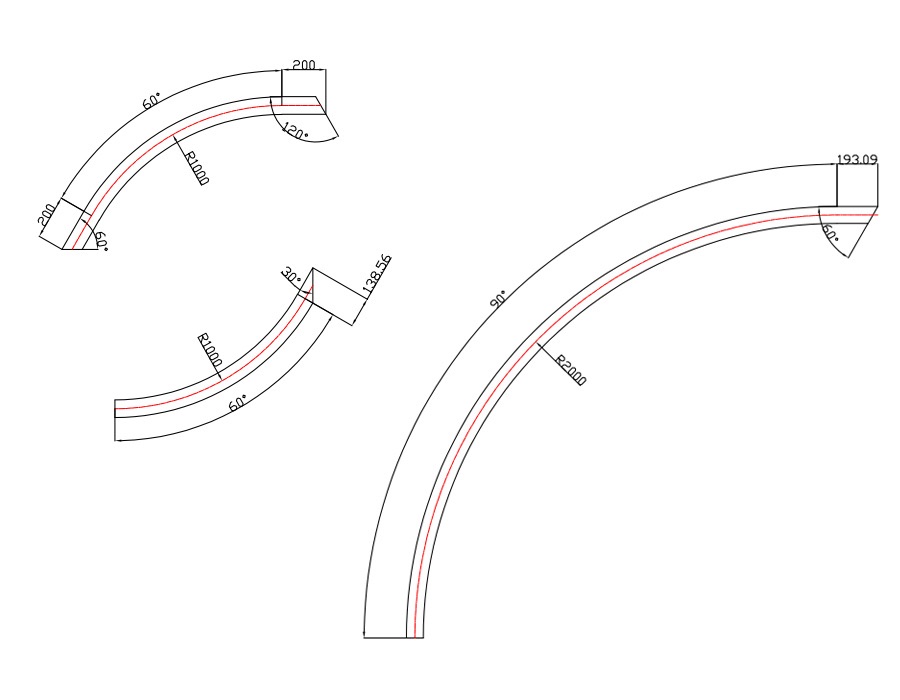
Core Composition and Explanation Key Points of Product Design Drawings
We are able to design drawings in accordance with the products you provide
The title block is the "identity card" of the drawing, located at the lower right corner. It mainly includes product name, drawing number, scale, material, designer, reviewer, date and other information. The key points to explain are:
Product Name and Number: Clarify the product's attribution (such as "XX model mobile phone middle frame", "XX series water purifier filter bracket") and numbering rules (such as internal enterprise coding, industry standard coding) to facilitate drawing filing, query and production traceability;
Scale and Dimension Unit: Explain the drawing scale (such as 1:1 actual size, 1:2 reduction, 2:1 enlargement), clarify the dimension unit (such as mm, cm), and remind the audience to pay attention to the "correspondence between drawing dimensions and actual product dimensions" to avoid production errors caused by misunderstandings of the scale;
Common Explanation Mistakes and Avoidance Methods
We can optimize the drawings based on the drawings and product information provided by you.
Mistake 1: Only explaining the surface of the drawing without conveying design intent and process requirements — Avoidance: Combine product functions and production practice during the explanation, supplement design logic and process precautions, so that the audience not only "understands the drawing", but also "understands the design";
Mistake 2: Too many professional terms that the audience cannot understand — Avoidance: Simplify terms according to the audience's cognitive level, and provide popular explanations when necessary to avoid "talking to oneself";
Mistake 3: Missing key dimensions, tolerances, or technical requirements — Avoidance: Sort out the core information of the drawing before explanation, and check one by one in the order of "title block - view - dimension - technical requirements" to ensure no omissions;
Copyright © 2025 Shanghai Dunpin Aluminum Technology Co., Ltd.